



When it comes to selecting siding for your home, the decision often comes down to balancing appearance, durability, maintenance, and environmental impact. While fiber cement has grown in popularity for its performance claims, cedar continues to stand apart as a timeless, authentic choice. For homeowners who value natural beauty, flexibility, and sustainability, cedar offers advantages that synthetic materials simply can’t replicate.
Natural Beauty Can’t Be Replicated
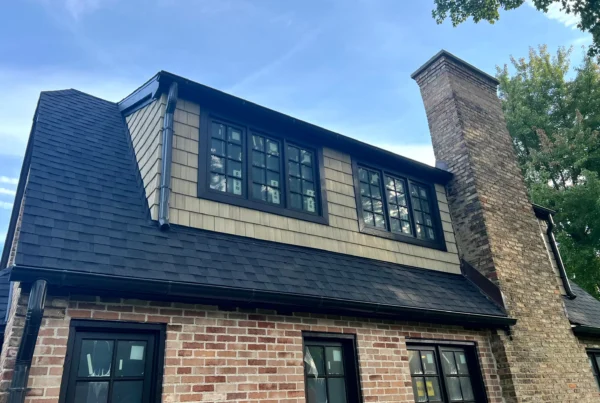
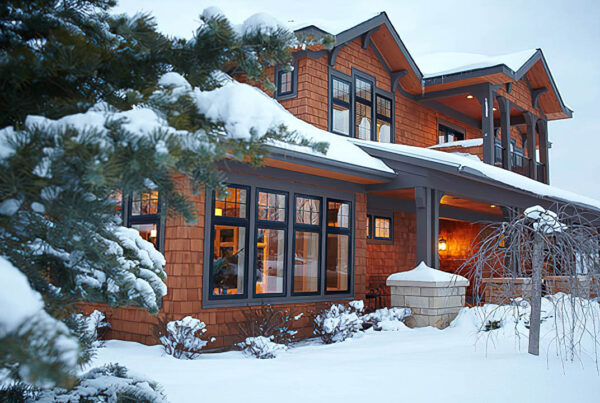
Over time, cedar develops a natural patina that many homeowners find even more appealing than its original finish. This soft weathered look adds charm and character, enhancing curb appeal rather than detracting from it. Instead of looking aged, cedar looks distinguished.
Easier Repair and Customization
All siding materials experience wear and tear. Weather, impact, and time will eventually affect any exterior surface. One of cedar’s key advantages is its repairability.
If a section becomes damaged, individual cedar boards or shingles can often be replaced without disrupting the entire façade. Repairs are straightforward and localized, helping maintain both appearance and performance.
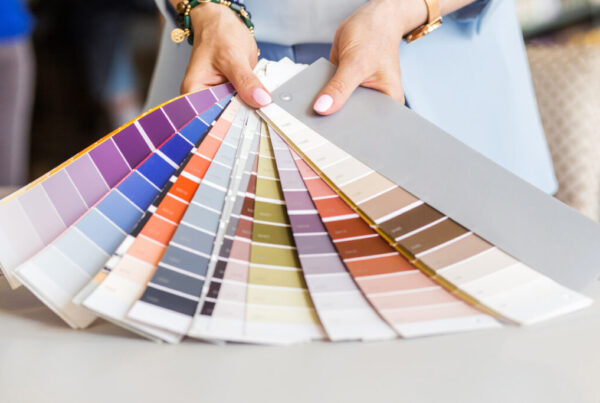
Cedar also offers unmatched flexibility in design. Unlike many fiber cement products that are locked into a factory finish for the life of the siding, cedar can evolve with your style preferences. Homeowners can repaint or restain over time, refreshing the look or completely changing the color to suit new tastes or design trends. This adaptability allows your home’s exterior to grow and change along with you.
Environmentally Friendly
For environmentally conscious homeowners, cedar presents a compelling option. As a natural material, cedar is a renewable resource when responsibly harvested. Look for products certified by the Forest Stewardship Council (FSC) to ensure sustainable sourcing practices.
Cedar also has a lower carbon footprint compared to fiber cement, which requires energy-intensive manufacturing processes involving cement production and high-temperature curing. At the end of its life cycle, cedar biodegrades naturally, returning to the earth rather than contributing to long-term landfill waste.
The Authentic Standard
It’s worth noting that many synthetic siding products are designed with one primary goal: to replicate the performance, utility, and appearance of real wood. Cedar, however, doesn’t imitate anything, it is the original.
For homeowners who value authenticity, warmth, repairability, and environmental responsibility, cedar remains a superior choice. While fiber cement may offer certain performance benefits, it cannot replicate the natural character, flexibility, and sustainability that cedar provides.