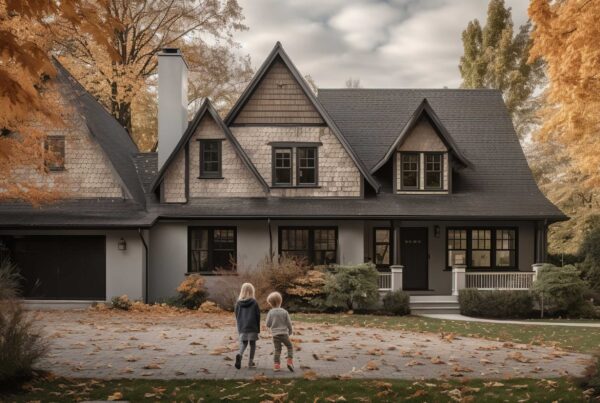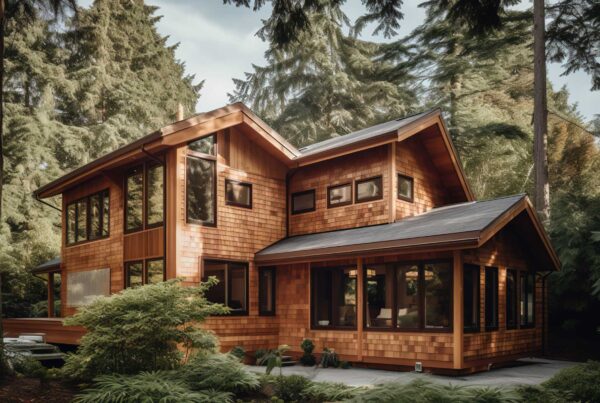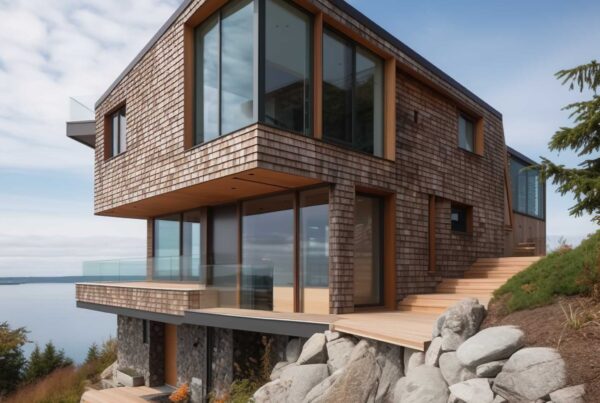


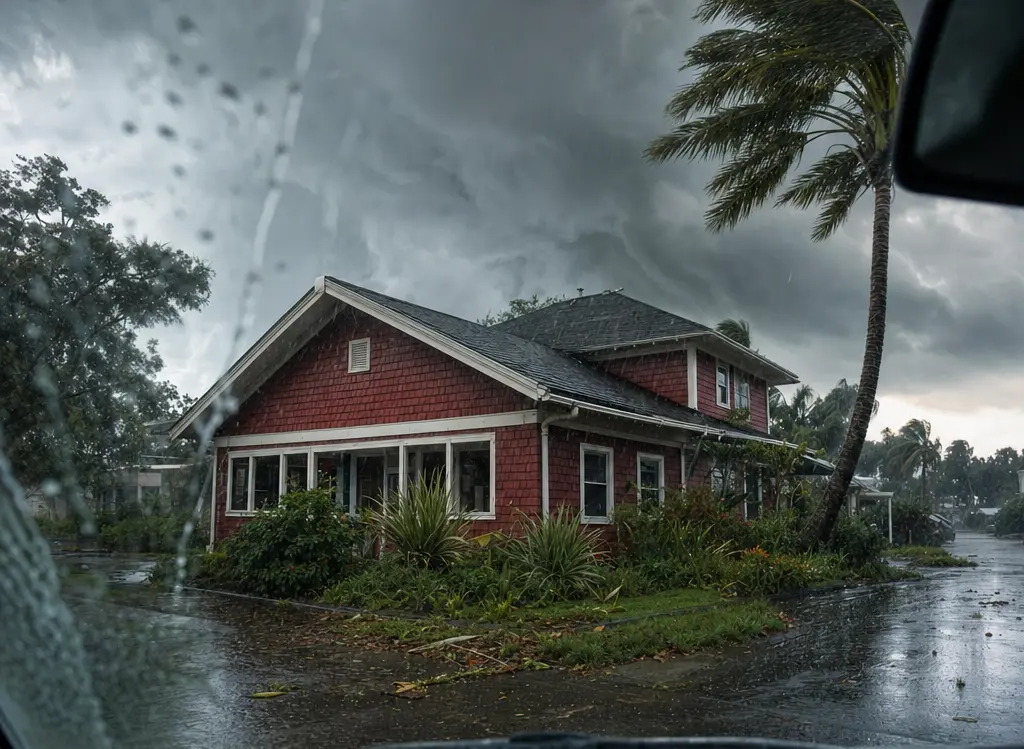
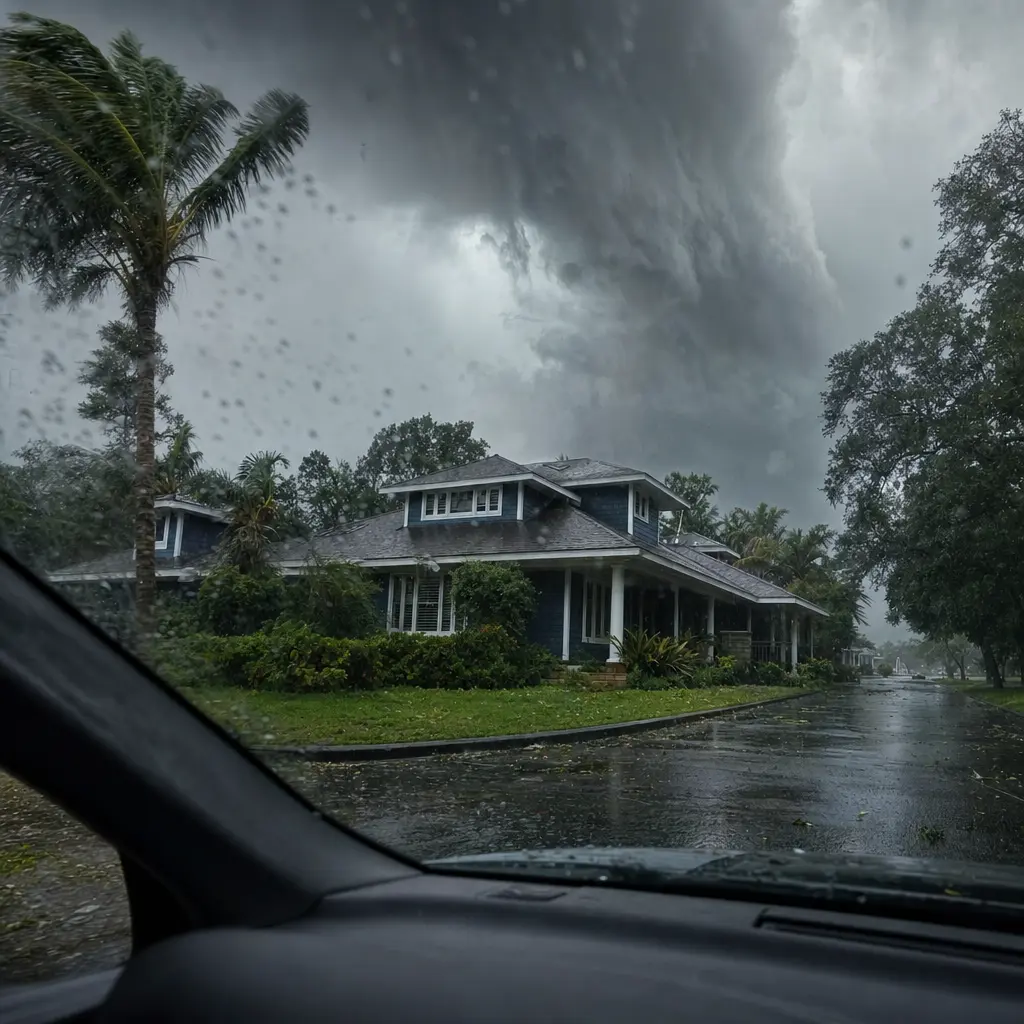
Cedar Valley shingle siding panels offer the natural appearance of Western Red Cedar in a factory-assembled panel system. For eligible projects outside designated High-Velocity Hurricane Zone areas, Cedar Valley panels provide Florida Product Approval documentation and technical information to support product selection and plan review.
What Are Cedar Valley Shingle Siding Panels?
Cedar Valley panels are factory-assembled exterior wall cladding panels made with natural Western Red Cedar shingles. Instead of installing individual shingles one at a time, the shingles are assembled into larger panels to help reduce layout time and simplify installation.
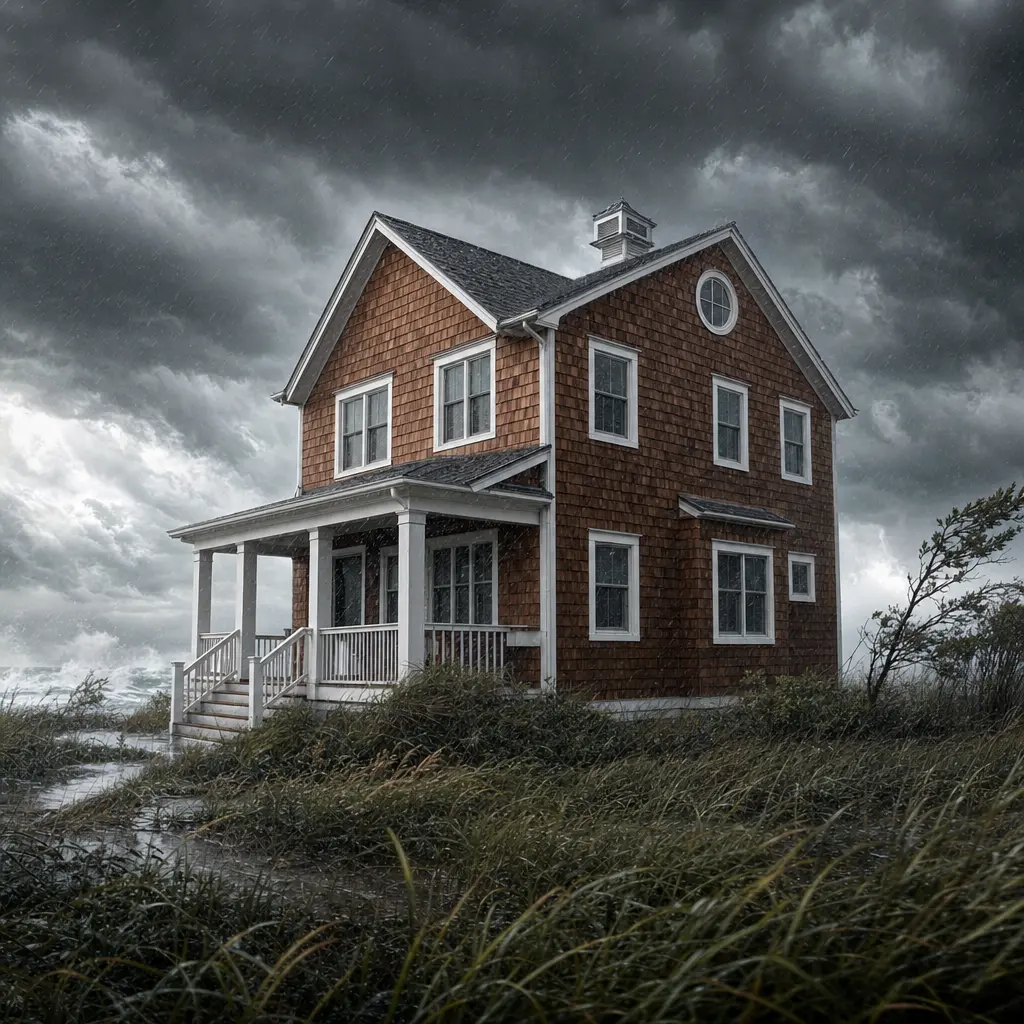
The panel construction includes:
- Premium Western Red Cedar shingles
- A fiberglass mat layer for reinforcement
- An 11/32-inch CDX plywood backer
- Factory-assembled shingle courses
- Configurations for exterior wall and mansard applications
The result is a natural cedar appearance combined with a panelized installation approach. Cedar Valley panels may be a practical option for residential, commercial, and architectural projects where the design calls for cedar shingle siding and the project meets the applicable installation and code requirements.
To compare available cedar siding options, visit our cedar shingle siding collection .
Benefits of Cedar Valley Panels for Florida Projects
Cedar Valley panels combine the appearance of natural cedar shingles with a factory-assembled installation format. For suitable Florida projects, that combination can provide several practical benefits.
- Natural Western Red Cedar: Create the authentic appearance and texture of cedar shingles.
- Panelized installation: Help reduce the time and labor associated with installing individual cedar shingles.
- Technical documentation: Provide product information that can support contractor, designer, and permit-review discussions.
- Design flexibility: Complement traditional, coastal, cottage, craftsman, and contemporary exterior designs.
Explore available finishes and color options on our cedar shingle colors page .
Is Cedar Valley Siding Approved in Florida?
Cedar Valley shingle siding panels have Florida Product Approval documentation associated with Florida Product Approval FL7993 . The panels are designed for use as exterior wall cladding and have been evaluated for fire, wind, and water performance.
For Florida projects, the most important qualification is the project location. Cedar Valley panels are positioned for eligible applications outside designated High-Velocity Hurricane Zone areas. A local building official, design professional, or authority having jurisdiction should confirm whether the product is acceptable for a specific project.
Learn more about Cedar Valley Panels
Where Can Cedar Valley Panels Be Used in Florida?
Cedar Valley panels can be considered for eligible projects throughout Florida outside designated High-Velocity Hurricane Zone areas. This may include projects in many communities across North Florida, Central Florida, and portions of South Florida, subject to local requirements and project-specific design conditions.
The product must be evaluated against more than the state where the project is located. Important factors include:
- The project’s exact location and jurisdiction
- Whether the site is within an HVHZ area
- Required design wind pressures
- Building height and construction type
- Wall framing and sheathing conditions
- Exposure, terrain, and site conditions
- Fire-resistance and fire-separation requirements
- Local amendments and building department requirements
Non-HVHZ Florida Applications
For non-HVHZ projects, Cedar Valley panels may be reviewed as an exterior wall-cladding system when installed in accordance with the current product documentation, installation instructions, and applicable Florida Building Code requirements.
Florida HVHZ Applications
Cedar Valley panels should not be specified for HVHZ projects based solely on their non-HVHZ Florida documentation. If a project is located in an HVHZ area, the owner, contractor, architect, or engineer should contact the local building department before selecting the product.
Planning a project in an HVHZ area? Contact the local authority having jurisdiction before ordering. Cedar Shingles Direct can provide available product information, but local officials and design professionals determine whether a particular assembly is acceptable.
Florida Cedar Siding Installation Considerations
Correct installation is essential for the product to perform as documented. Cedar Valley panels should be installed according to the current manufacturer instructions and applicable product evaluation documentation. Review the Cedar Valley panel information before installation begins.
Water-Resistive Barrier and Flashing
Exterior wall assemblies generally require appropriate water management. The wall system should include the required water-resistive barrier, flashing, penetrations, transitions, and drainage details specified by the applicable code and product documentation.
Wall Framing and Sheathing
Cedar Valley panels are exterior cladding. They should not be treated as a substitute for structural wall framing, structural sheathing, or required wall bracing. The supporting wall assembly must be designed and installed to resist applicable positive and negative wind pressures.
Fasteners and Attachment
Fastener type, length, spacing, penetration, and location should follow the current Cedar Valley installation requirements. Fastener schedules may vary depending on the panel configuration, substrate, framing conditions, and required design pressure.
Clearance and Moisture Management
Maintain the clearances required by the current product documentation and applicable code. Pay particular attention to finished grade, roofing transitions, decks, porches, windows, doors, roof-to-wall intersections, and other locations where water can collect or move behind the siding.
Florida Cedar Siding Project Checklist
Before purchasing Cedar Valley panels for a Florida project, review the following items:
- Confirm the exact project address and jurisdiction.
- Determine whether the project is located within an HVHZ area.
- Confirm that the intended application is exterior wall cladding.
- Review the applicable Florida Product Approval documentation.
- Verify the required wind pressures for the project.
- Confirm wall framing, sheathing, and substrate requirements.
- Review water-resistive-barrier and flashing details.
- Confirm fastener type, spacing, and penetration requirements.
- Review clearance, fire, and moisture-management requirements.
- Submit the appropriate documents to the local building department when required.
Florida Product Approval Information
Florida construction projects often require documentation showing how a building product performs under applicable code conditions. Cedar Valley panels have product documentation associated with Florida Product Approval FL7993 .
The official Florida approval record provides project teams with product information that can be reviewed during specification, plan preparation, and permit discussions. The approval record should be reviewed together with the current Cedar Valley product information and installation requirements.
The technical documentation addresses the panel system, its materials, installation requirements, water-resistive-barrier provisions, fastening, and performance limitations. The technical report should be reviewed together with the current installation instructions and the requirements of the local jurisdiction.
View the official Florida Product Approval record for FL7993
What the Documentation Can Help Establish
- How the product is constructed
- How the panels are intended to be used
- Applicable wind-resistance information
- Water-penetration testing information
- Installation and fastening requirements
- Required wall framing and sheathing conditions
- Water-resistive-barrier and flashing requirements
- Product limitations and conditions of use
Product approval documentation supports the review process, but it does not automatically approve every installation condition. The final decision belongs to the applicable authority having jurisdiction.
Frequently Asked Questions
Is Cedar Valley siding approved for use in Florida?
Cedar Valley shingle siding panels have Florida Product Approval documentation associated with FL7993 and are intended for eligible Florida applications outside designated High-Velocity Hurricane Zone areas. The local building department or authority having jurisdiction should confirm acceptance for the specific project.
Can Cedar Valley panels be used in Florida HVHZ areas?
Cedar Valley panels should not be specified for an HVHZ project based only on their non-HVHZ Florida documentation. Contact the local building department and design professional before selecting the product for an HVHZ location.
What are Cedar Valley panels made from?
Cedar Valley panels use Western Red Cedar shingles reinforced with a fiberglass mat layer and bonded to an 11/32-inch CDX plywood backer.
Do Cedar Valley panels have wind and water testing?
Cedar Valley product information includes fire, wind, and water performance testing. The applicable technical documents should be reviewed for the specific panel configuration, design pressure, installation method, and project conditions.
Can Cedar Valley panels be used for a Florida building permit?
Product approval and technical documentation may support plan review and permit submittal. However, the local building department or authority having jurisdiction determines whether the proposed product and assembly are acceptable for a particular project.
Planning a Florida Cedar Siding Project?
Tell us about your project location, project type, approximate square footage, and installation plans. Our team can help you identify available product information and determine the next step for your Cedar Valley siding project.
You can also review our cedar siding articles and resources or explore cedar shingle colors before contacting our team.
Or call (800) 269-0598 to speak with Cedar Shingles Direct.
Important: This article is provided for general product and planning information. It is not a substitute for current product approval documents, installation instructions, Florida Building Code requirements, engineering calculations, or direction from the authority having jurisdiction. Always confirm project-specific requirements before ordering or installing materials.